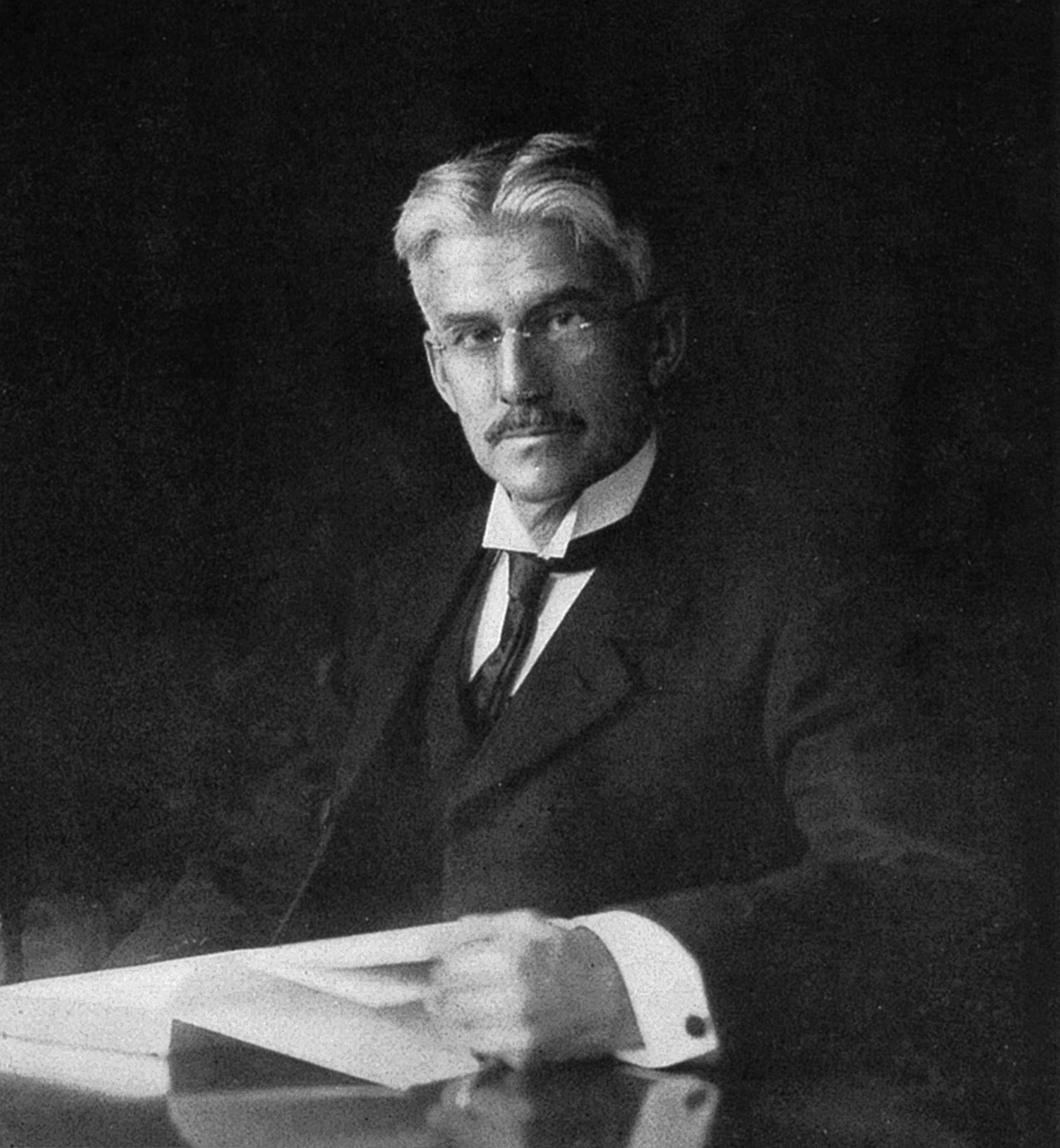
Albert Henry Munsell
Albert Henry Munsell was an American artist and teacher best known for his groundbreaking work in color theory and notation. Born in the late 19th century, Munsell developed a systematic approach to color that sought to create a standardized method for identifying and communicating colors. His most notable work, 'Color Notation,' published in 1905, introduced the Munsell Color System, which categorized colors based on three dimensions: hue, value, and chroma. This innovative system has had a lasting impact on various fields, including art, design, and education, providing a common language for color that is still widely used today. Munsell's contributions extended beyond his color system; he was also an influential educator who emphasized the importance of color in visual arts. He founded the Munsell Color Company and established a color laboratory, where he conducted extensive research on color perception and its applications. His work laid the foundation for modern color science and continues to influence artists, designers, and scientists alike. Munsell's legacy is evident in the way color is understood and utilized in contemporary practices, making him a pivotal figure in the study of color theory.
Books from the author
Link to this page
Add a free, dofollow link to Lex on your blog, forum, syllabus, or reading list.

<a href="https://lex-books.com/author/albert-henry-munsell"><img src="https://lex-books.com/badges/read-on-lex.svg" alt="Albert Henry Munsell on Lex" width="160" height="40"></a>[](https://lex-books.com/author/albert-henry-munsell)[url=https://lex-books.com/author/albert-henry-munsell][img]https://lex-books.com/badges/read-on-lex.svg[/img][/url]Albert Henry Munsell on Lex: https://lex-books.com/author/albert-henry-munsell