A. W. Duncan
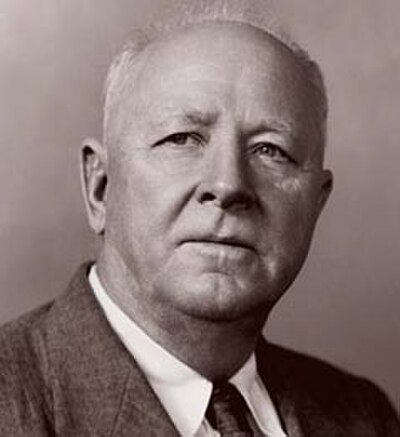
Arthur William Duncan was an influential English-Australian analytical chemist and a prominent advocate for vegetarianism. Born in England, he later moved to Australia, where he made significant contributions to the field of chemistry, particularly in the analysis of food and agricultural products. His work not only advanced scientific understanding but also supported the growing movement for vegetarianism, aligning with his personal beliefs about health and ethics in food consumption. Duncan's advocacy was part of a broader cultural shift during his time, as he sought to promote the benefits of a plant-based diet and its implications for both individual health and environmental sustainability. Duncan's legacy extends beyond his scientific achievements; he played a crucial role in the early vegetarian movement in Australia, influencing public perception and policy regarding diet and health. His writings and public engagements helped to establish vegetarianism as a viable lifestyle choice, paving the way for future generations of advocates. Through his dual commitment to science and ethical living, Arthur William Duncan remains a notable figure in both the scientific community and the history of dietary reform.
Famous Quotes
View all 1 quotes“The W.1A did prove itself an exceptional design in the end: it was actually the first jet engine ever to pass the ‘100-hour test’, which it did late in 1942 with more than half the continuous running time achieved at almost full speed.””
Books from the author



Link to this page
Add a free, dofollow link to Lex on your blog, forum, syllabus, or reading list.

<a href="https://lex-books.com/author/a-w-duncan"><img src="https://lex-books.com/badges/read-on-lex.svg" alt="A. W. Duncan on Lex" width="160" height="40"></a>[](https://lex-books.com/author/a-w-duncan)[url=https://lex-books.com/author/a-w-duncan][img]https://lex-books.com/badges/read-on-lex.svg[/img][/url]A. W. Duncan on Lex: https://lex-books.com/author/a-w-duncan