The Pilgrims' Way from Winchester to Canterbury
1893
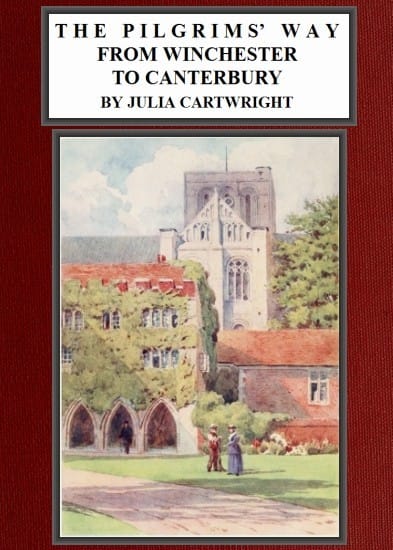
The Pilgrims' Way from Winchester to Canterbury
1893
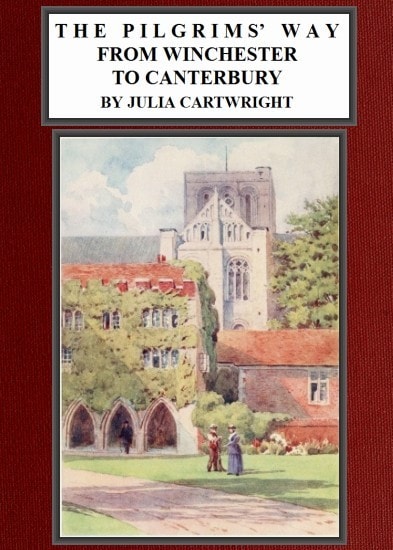
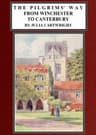
The Pilgrims' Way from Winchester to Canterbury, written by Julia Cartwright and first published in 1893, is a historical account of the ancient pilgrimage route taken by medieval travelers to the shrine of St. Thomas Becket in Canterbury. The book combines historical detail with personal reflections, exploring the landscapes, historic sites, and cultural significance of the pilgrimage path. Cartwright's intimate knowledge of the route allows her to provide detailed descriptions of significant locations and the natural beauty of the landscape, reviving the era of pilgrimage and its enduring allure.
Editions
X-Ray
The author and narrator who guides readers along the Pilgrims' Way, providing historical context and detailed descriptions of the route from Winchester to Canterbury.
The martyred Archbishop of Canterbury whose shrine was the destination of medieval pilgrims. His murder in 1170 created the pilgrimage tradition that gives the book its central theme.
King of England who was responsible for Becket's murder and later made the first royal pilgrimage to Canterbury in 1174 as penance.
Medieval poet whose Canterbury Tales immortalized the pilgrimage tradition. His work provides literary context for understanding the pilgrims' journey.
About The Pilgrims' Way from Winchester to Canterbury
Chapter Summaries
- 1
- Introduces the historical context of the Canterbury pilgrimage, describing the murder of Thomas Becket in 1170 and the subsequent development of the pilgrimage tradition. Explains the three main routes to Canterbury and focuses on the Winchester to Canterbury path.
- 2
- Begins the journey at Winchester, describing the ancient capital's religious significance and the shrine of St. Swithun. Traces the route through the Itchen valley, passing through various 'Worthy' villages and ending at Alton.
- 3
- Continues through Alice Holt forest and along the River Wey to Farnham, then follows the ancient track along the Hog's Back. Describes the route's Roman origins and its use by tin traders.
Key Themes
- Religious Devotion and Pilgrimage
- The book examines the profound religious faith that motivated thousands of medieval pilgrims to journey to Canterbury, seeking healing, forgiveness, and spiritual fulfillment at Becket's shrine.
- Historical Continuity and Change
- Cartwright contrasts the vibrant pilgrimage tradition of the Middle Ages with the quiet rural landscape of her own time, showing how history layers upon the English countryside.
- The English Landscape as Historical Palimpsest
- The countryside itself becomes a character, bearing traces of Roman roads, Saxon settlements, Norman churches, and medieval pilgrims, creating a layered historical narrative.
Characters
- Julia Cartwright(protagonist)
- The author and narrator who guides readers along the Pilgrims' Way, providing historical context and detailed descriptions of the route from Winchester to Canterbury.
- St. Thomas Becket(major)
- The martyred Archbishop of Canterbury whose shrine was the destination of medieval pilgrims. His murder in 1170 created the pilgrimage tradition that gives the book its central theme.
- Henry II(major)
- King of England who was responsible for Becket's murder and later made the first royal pilgrimage to Canterbury in 1174 as penance.
- Geoffrey Chaucer(major)
- Medieval poet whose Canterbury Tales immortalized the pilgrimage tradition. His work provides literary context for understanding the pilgrims' journey.
- Jane Austen(minor)
- Famous novelist who lived at Chawton along the pilgrims' route, where she wrote her most celebrated works including Pride and Prejudice.
- William Cobbett(minor)
- Political writer and rural reformer whose 'Rural Rides' documented the same countryside traversed by medieval pilgrims.
Link to this book
Add a free, dofollow link to Lex on your blog, forum, syllabus, or reading list.

<a href="https://lex-books.com/book/the-pilgrims-way-from-winchester-to-canterbury-8737c23a-7a57-4eea-803d-0cd5d405a55d"><img src="https://lex-books.com/badges/read-on-lex.svg" alt="Read The Pilgrims' Way from Winchester to Canterbury by Julia Cartwright free on Lex" width="160" height="40"></a>[](https://lex-books.com/book/the-pilgrims-way-from-winchester-to-canterbury-8737c23a-7a57-4eea-803d-0cd5d405a55d)[url=https://lex-books.com/book/the-pilgrims-way-from-winchester-to-canterbury-8737c23a-7a57-4eea-803d-0cd5d405a55d][img]https://lex-books.com/badges/read-on-lex.svg[/img][/url]Read The Pilgrims' Way from Winchester to Canterbury by Julia Cartwright free on Lex: https://lex-books.com/book/the-pilgrims-way-from-winchester-to-canterbury-8737c23a-7a57-4eea-803d-0cd5d405a55dCite this book
Reading this edition for a paper or guide? Copy a citation.
Cartwright, Julia. The Pilgrims' Way from Winchester to Canterbury. Lex, lex-books.com/book/the-pilgrims-way-from-winchester-to-canterbury-8737c23a-7a57-4eea-803d-0cd5d405a55d.Cartwright, J. (1893). The Pilgrims' Way from Winchester to Canterbury. Lex. https://lex-books.com/book/the-pilgrims-way-from-winchester-to-canterbury-8737c23a-7a57-4eea-803d-0cd5d405a55dCartwright, Julia. The Pilgrims' Way from Winchester to Canterbury. Lex. https://lex-books.com/book/the-pilgrims-way-from-winchester-to-canterbury-8737c23a-7a57-4eea-803d-0cd5d405a55d.